
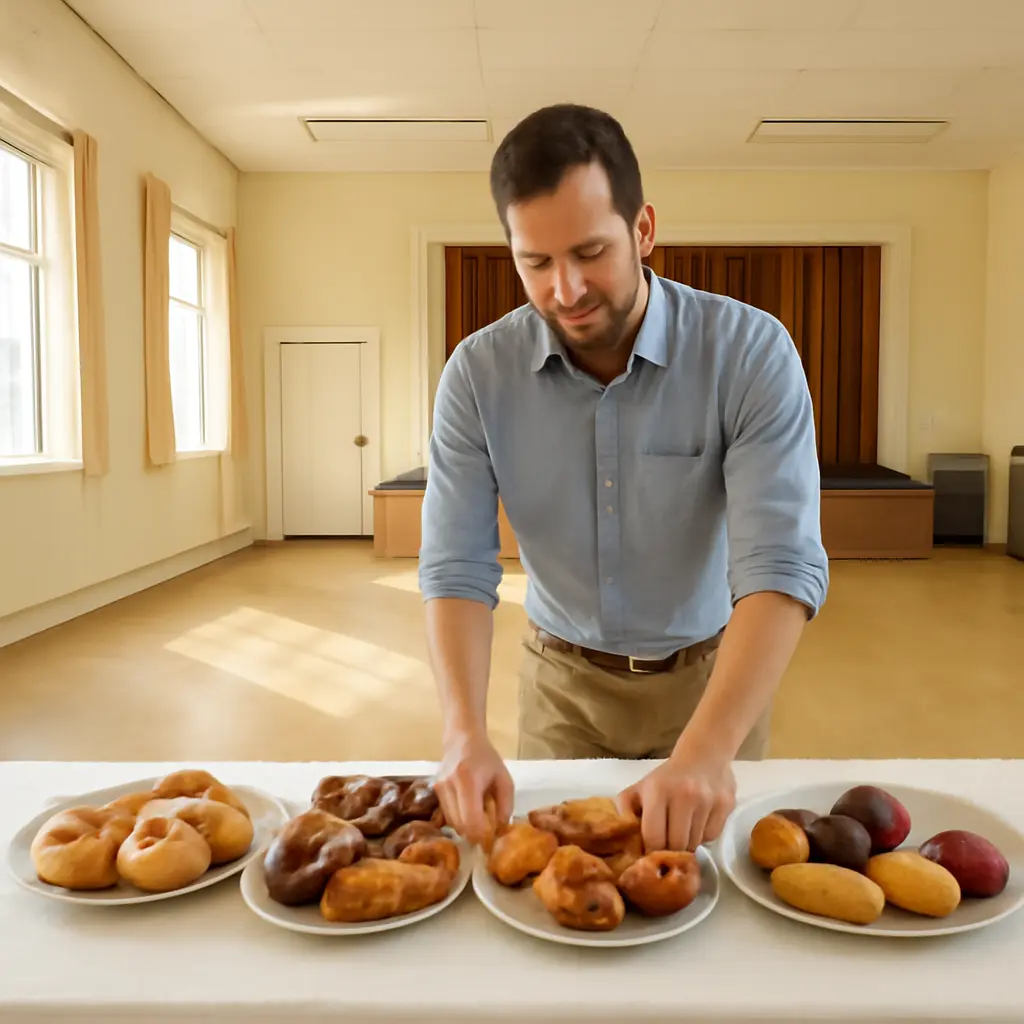
Donut catering is a flexible way to serve a familiar dessert while offering enough variety for different tastes and dietary needs. For an event, the most reliable spread combines classic flavors, colorful options, filled treats, and clearly labeled alternatives. Seven crowd-pleasing picks—glazed, chocolate, sprinkles, filled, cake, vegan, and gluten-free donuts—can help hosts build a balanced table without guessing that every guest likes the same thing. The approach also fits a popular food: according to the National Restaurant Association’s 2024 industry report, 47% of adults said they would likely order a snack or appetizer for delivery, reflecting the broader appeal of convenient, shareable food occasions.
Event donut variety supports guest satisfaction
A varied donut selection is a planned assortment of donut styles and flavors intended to give guests meaningful choices. It is not a formal catering standard, but it follows a practical principle of hospitality: offer recognizable favorites alongside alternatives, and make ingredients easy to identify. The National Restaurant Association’s 2024 report also found that 64% of consumers consider takeout and delivery essential to their lifestyle, underscoring how familiar, portable foods suit modern gatherings.
Donut assortments commonly include yeast-raised rings, cake donuts, filled donuts, and specialty options. These categories differ in texture, richness, and ingredients, so combining them can serve varied preferences. For a typical event, estimate quantities based on the occasion and other desserts: a light refreshment break may need fewer pieces per person than a brunch or dessert reception. Confirm the final count with the bakery, especially for large orders or individually packaged servings.
1. Classic glazed donuts
A classic glazed donut is usually a yeast-raised ring finished with a thin sugar glaze. Its simple flavor and soft texture make it an approachable anchor for an assortment, particularly when guests are choosing quickly or sharing from a display. Include enough to meet demand, but avoid making the entire spread one flavor; variety is what helps the table serve more than one preference.
2. Chocolate-frosted donuts
Chocolate-frosted donuts pair a sweet topping with a yeast-raised or cake-style base. They offer a familiar alternative to plain glaze and can appeal to guests who prefer a richer flavor. Ask the bakery whether the topping contains common allergens such as milk, soy, or nuts, and keep ingredient information available for guests.
3. Sprinkle-topped donuts
Sprinkle donuts add color and visual interest, making them especially suitable for birthdays, school events, and family celebrations. They are typically glazed or frosted before the toppings are added. Because sprinkle mixes can contain unexpected ingredients or be produced on shared equipment, check the supplier’s ingredient and allergen details rather than assuming they are suitable for every guest.
Donut styles broaden texture and dietary choices
Flavor is only one way to create variety. Texture and dietary requirements matter, too: some guests prefer a dense cake donut, while others want a soft yeast-raised pastry or a filled center. The following options extend the assortment beyond ring donuts and help hosts plan a more inclusive dessert table.
4. Filled donuts
Filled donuts are pastries with a center of jam, custard, cream, or another filling, often finished with sugar or icing. They provide a different eating experience from ring donuts and make a useful choice for guests seeking a more substantial treat. Since fillings may contain dairy, egg, or other allergens, label them clearly and use separate serving utensils where possible.
5. Cake donuts
Cake donuts are leavened with chemical raising agents rather than yeast, producing a denser crumb that may be baked or fried depending on the recipe. Their firmer texture distinguishes them from soft yeast-raised donuts, and they are often offered in flavors such as cinnamon, old-fashioned, or blueberry. Including a cake-style option gives guests a meaningful texture choice without relying only on toppings.
6. Vegan donuts
Vegan donuts are made without animal-derived ingredients such as dairy, eggs, or honey. Recipes and production practices vary, so hosts should confirm the ingredients with the bakery and ask whether the donuts are prepared separately from conventional products. Label the option accurately: “vegan” describes ingredients, but it does not automatically mean the food is free from allergens or cross-contact.
7. Gluten-free donuts
Gluten-free donuts are made without gluten-containing ingredients, but that label alone does not guarantee safety for someone with celiac disease. The U.S. Food and Drug Administration states that foods labeled “gluten-free” must contain less than 20 parts per million of gluten. For a guest with celiac disease or a serious sensitivity, ask the bakery about ingredient controls and cross-contact during preparation; when needed, serve a sealed, verified product separately.
Practical event planning keeps the donut table welcoming
A good assortment works best when ordering, presentation, and food information are planned together. Use a simple menu card or display label for each variety, identify relevant allergens where the supplier provides that information, and keep dietary alternatives physically separate when necessary. For an illustrative table, a host might combine glazed, chocolate-frosted, sprinkle, filled, and cake donuts with clearly identified vegan and gluten-free choices. Adjust the mix to the guest list rather than treating these seven picks as a fixed formula.
The U.S. Food and Drug Administration identifies nine major food allergens: milk, eggs, fish, crustacean shellfish, tree nuts, peanuts, wheat, soybeans, and sesame. Donuts may contain or come into contact with several of these ingredients. Ask the bakery for current product details, communicate them accurately, and do not promise that an item is allergen-free unless the supplier can verify that claim.
A simple planning chart can help compare the seven picks by flavor, texture, and dietary considerations. For example: glazed offers a familiar yeast-raised option; chocolate and sprinkles add topping variety; filled and cake donuts change the texture or format; vegan and gluten-free options address specific ingredient needs. Treat the chart as a planning aid, not a substitute for checking recipes and allergen controls.
Conclusion: seven donut picks make a more thoughtful spread
A guest-friendly donut table balances recognizable favorites with differences in flavor, texture, and dietary suitability. Classic glazed, chocolate-frosted, sprinkle-topped, filled, cake, vegan, and gluten-free donuts provide a practical starting point, while careful labeling and bakery confirmation help guests choose with confidence. Before placing an order, check attendance, ask about ingredients and preparation practices, and tailor the mix to the event. That small amount of planning can make a familiar dessert feel more welcoming to everyone.
Sources: National Restaurant Association, 2024 State of the Restaurant Industry Report, https://restaurant.org/research-and-media/research/research-reports/state-of-the-restaurant-industry/; U.S. Food and Drug Administration, Food Allergies, https://www.fda.gov/food/food-labeling-nutrition/food-allergies; U.S. Food and Drug Administration, Gluten-Free Labeling of Foods, https://www.fda.gov/food/food-labeling-nutrition/gluten-free-labeling-foods.